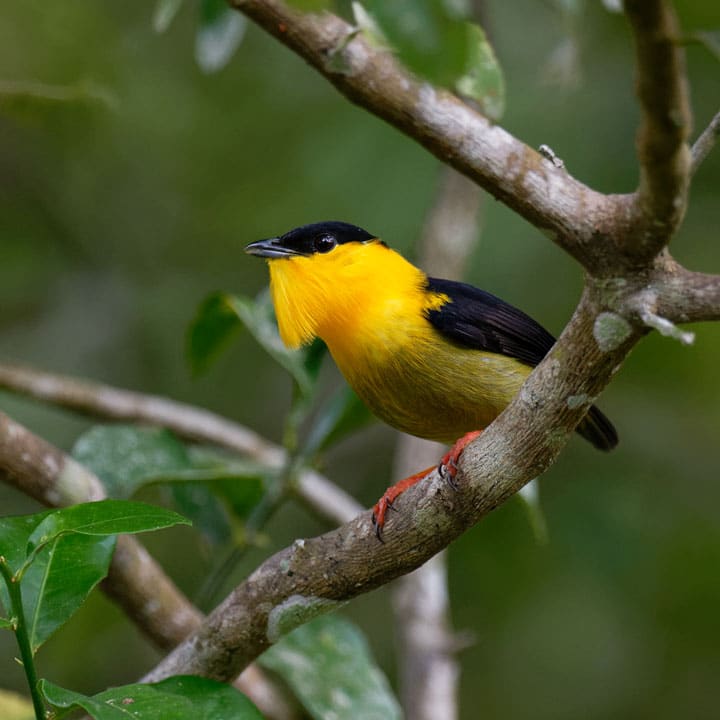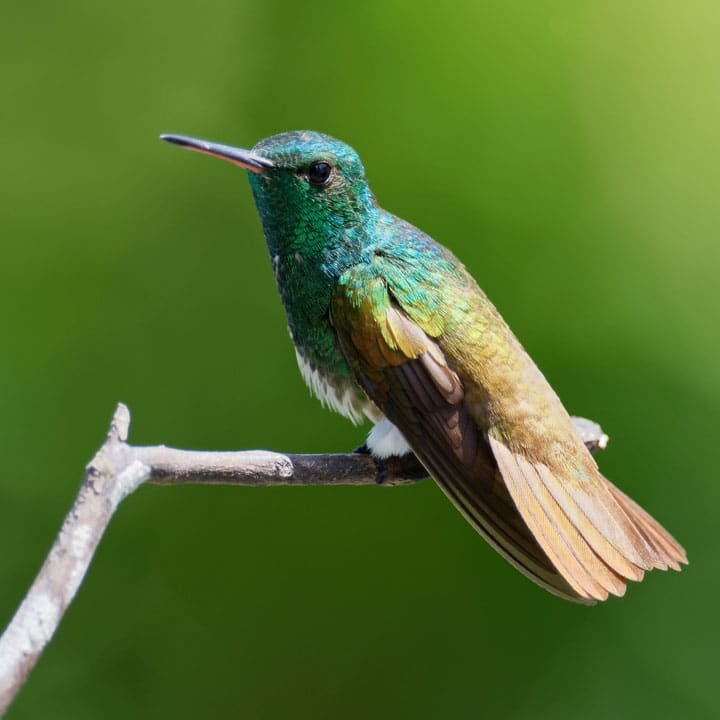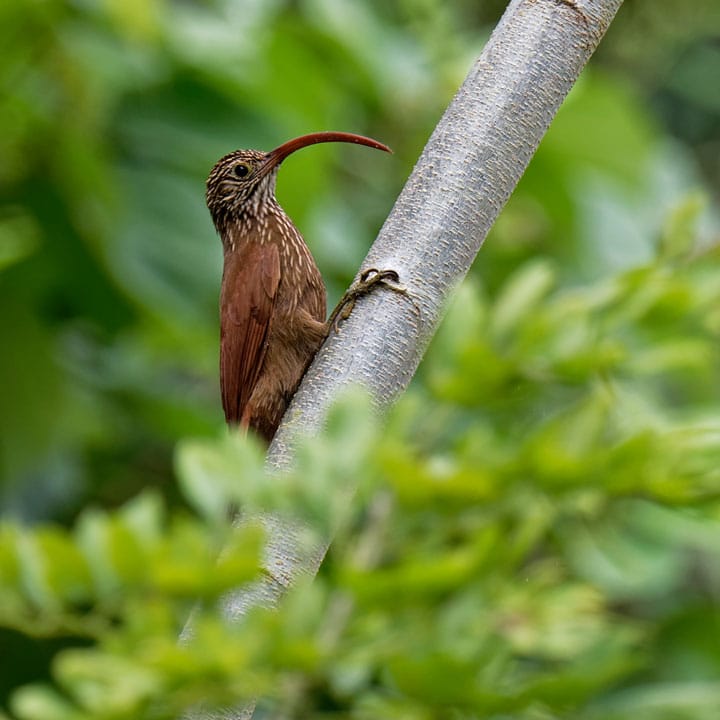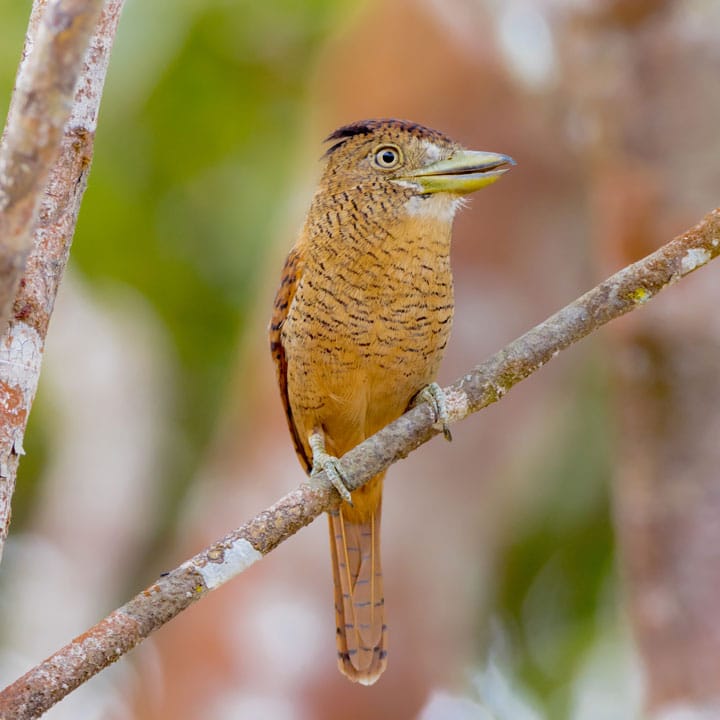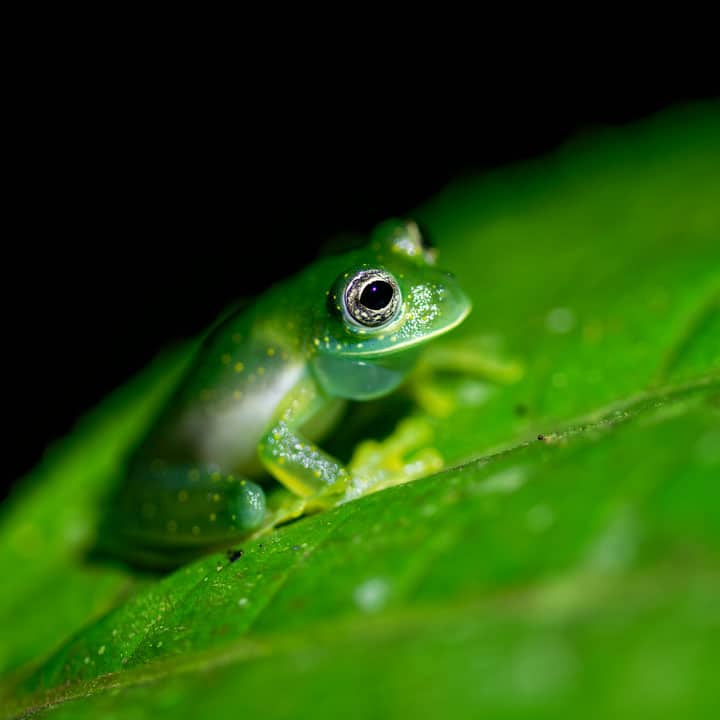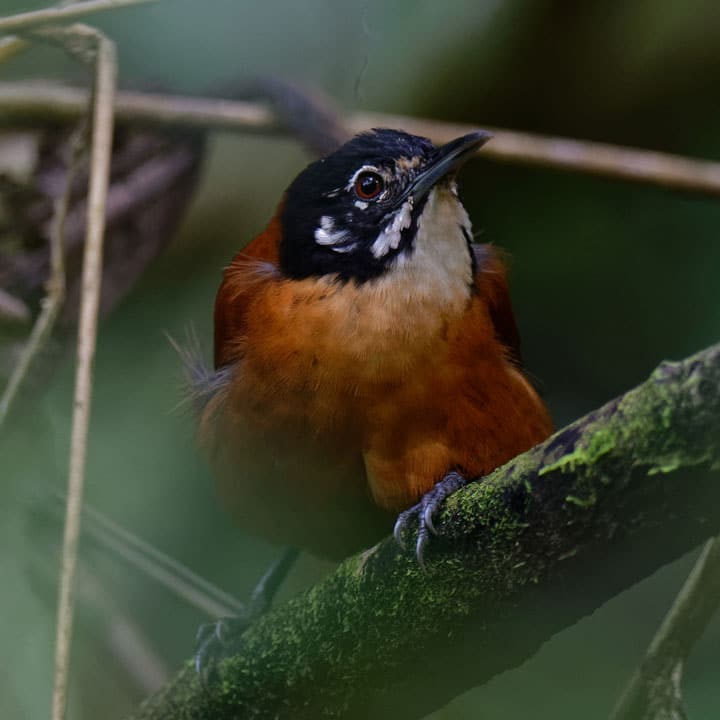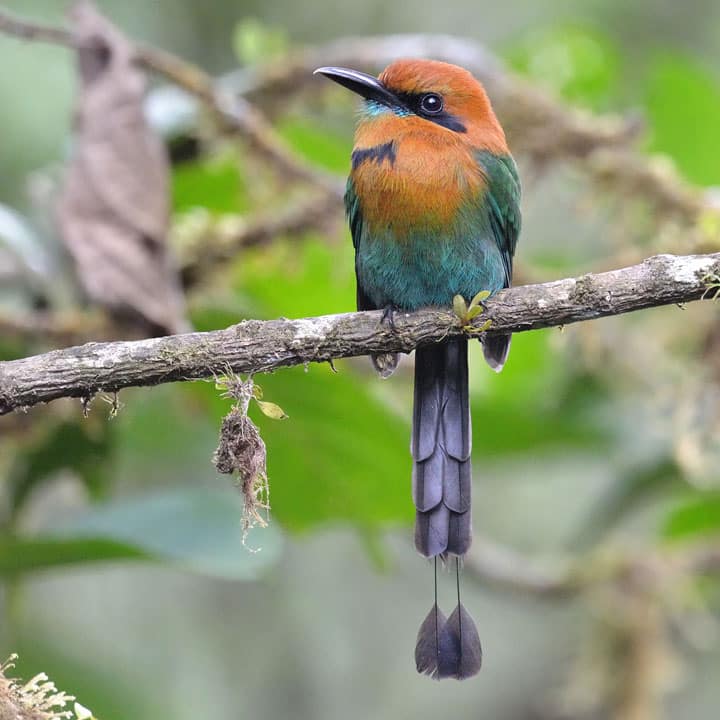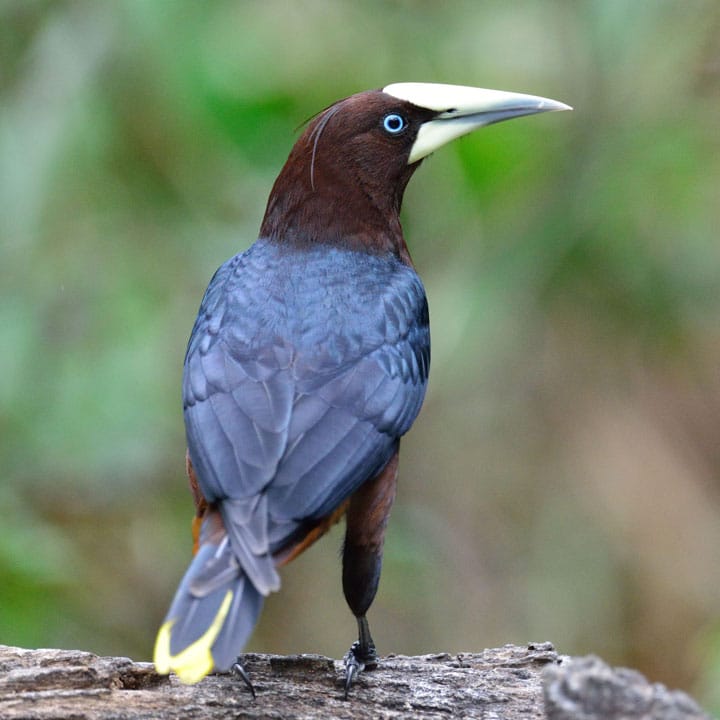
The Canopy Family understands that photographers have different needs than hard-core birders. The common goal of many birders is to see a good diversity of species, seek out special and rare birds for a region, and spend time enjoying bird behavior. Here in Panama, Wildlife, nature, landscape and bird photographers strive to capture outstanding rainforest photography. Most photographers prefer finding a single setting with perfect composition, waiting patiently for the correct light rather than walking around with heavy camera equipment, and have the benefit of a one-on-one skilled guide able to bring in the birds close and ideal to photograph them.
We also understand that even a carbon fiber tripod, when carrying an eight-pound 500mm glass lens attached to a pro DSLR would inevitably constrain the walking range of anyone. How do we counter this issue? Well, instead of taking the photographer to the picture, we take the picture to the photographer. You only have to step outside your room to go on an amazing photography expedition!
We are very excited to welcome all photographers. Our standard group size for birding tours are 8 participants per guide. We understand that the interests of birders and photographers vary greatly, and if you are a serious photographer with set goals for your visit, we highly recommend considering to request a private guide who will be dedicated to your needs on a photography expeditions.
What’s in store for photographers at the Canopy Family?
The Canopy Tower
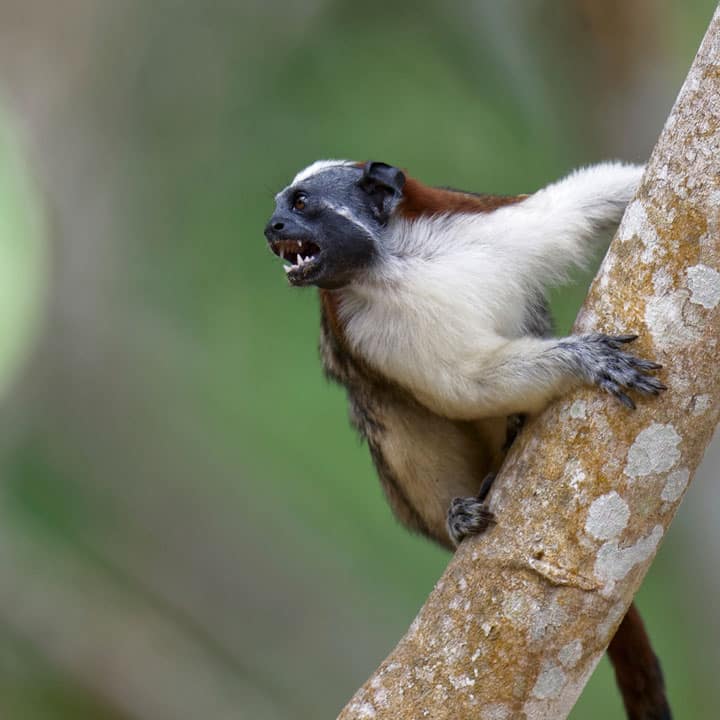
The Canopy Tower lounge and observation deck are ideal places to set your tripod and camera in comfort, while a variety of monkeys, sloths, iguanas and birds are close enough for great eye-level rainforest photography. Some of our photographers even decide to spend most of their time here — and it’s no wonder why! With wireless internet, a PC to download pictures, cold refreshments at hand, couches, hammocks, your room just one floor down, and having wildlife this close and intimate — all makes for an ideal photographic vacation!
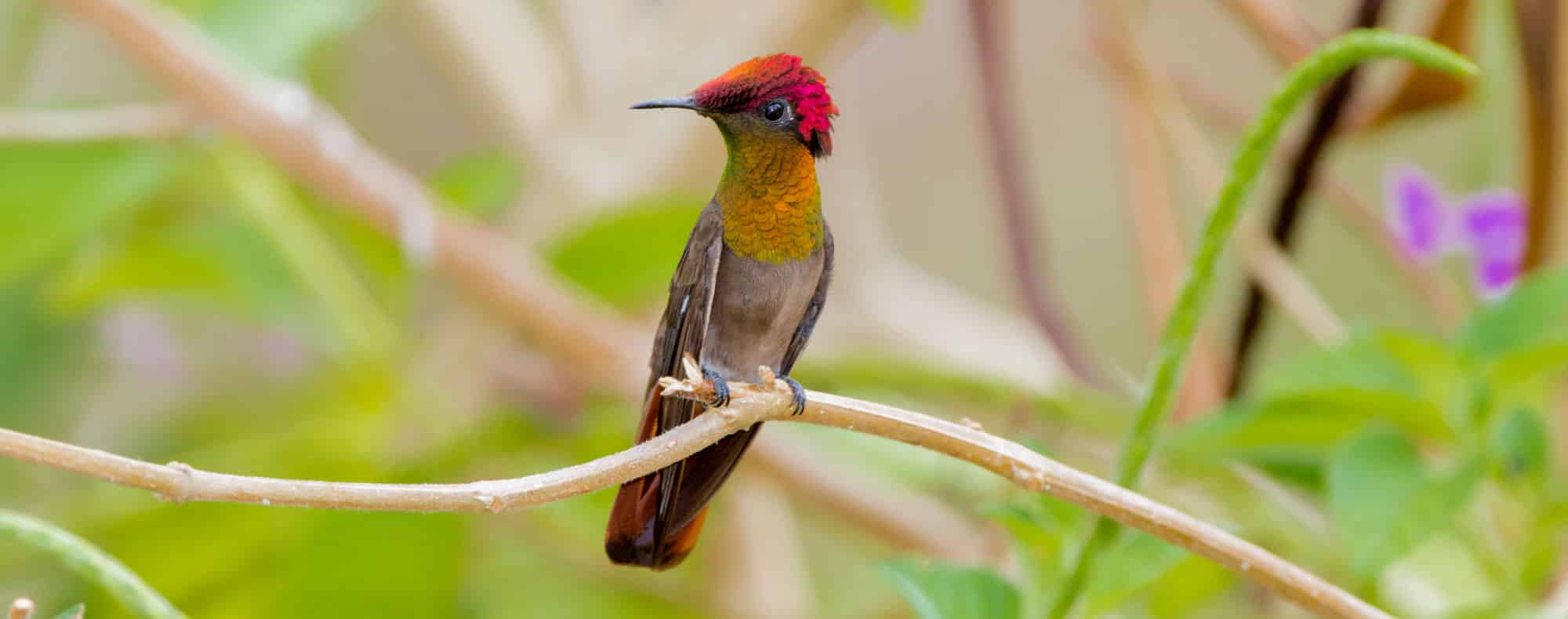
On the ground floor, we also have hummingbird feeders abuzz with activity. Here you will get great shots of perching hummers and maybe even that one-in-a-million spot-on flight shot! At night, the observation deck becomes a great place to take pictures of star trails. Also, from the observation deck the sunrise with the surrounding forest dotted with patches of fog and clouds make for great rainforest photography. In the distance, the Bridge of the Americas at the Pacific entrance to the Panama Canal, and the Panama City skyline with its unique towering skyscrapers, also make wonderful photographic subjects.